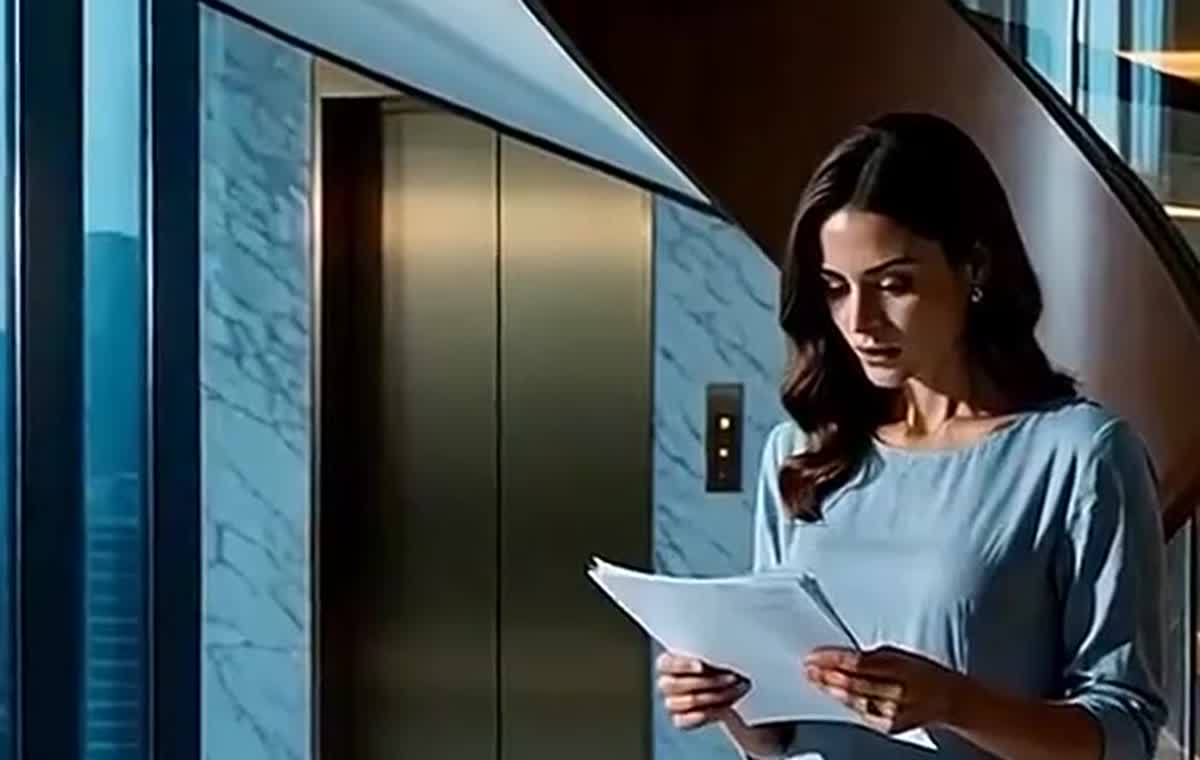
I muted an episode by accident once, thumb slipping on the phone, and watched a full two minutes with no audio. I missed nothing. The plot arrived complete: who was lying, who was about to cry, which pause meant danger. Since then I have done it on purpose, maybe a dozen times, and the result is always the same. In this format the music is not accompanying the story. The music is the story, delivered by a narrator standing just off-screen who cannot keep a secret.
Every emotion gets assigned a sound
The scoring in these shows is thorough in a way that almost nothing else about them is. A rise of strings before the villain speaks. A soft piano when the female lead remembers her childhood. A low drone under any scene where somebody is pretending not to be angry. There is no ambiguity anywhere: if the score swells, the feeling is confirmed, like subtitles for the heart. Regular television trusts the actor's face to carry a mixed emotion. These shows do not, because a mixed emotion costs the viewer a second of interpretation, and the format has decided that interpretation is tax.
What the silence means
The interesting part is the gaps. When the music drops out completely, in a format this saturated, the silence is louder than anything the orchestra was doing. Silence is reserved for two moments: right before a lie, and right after a truth. Once you notice it you can predict the next line with a frightening hit rate. The scene goes quiet, the two faces hold, and you know someone is about to say either the false thing or the true one, and you know which one by who is holding their breath.
Muting also exposes how much dialogue is redundant. The characters narrate their own feelings in case the score is not clear enough, and the score narrates the feelings in case the dialogue is not clear enough. Both are covering the same information, twice. Turn one of them off and the other carries the scene perfectly, which is exactly what I did by accident.
Why the sound has to do the acting
There is a production reason underneath. These shows are shot fast, often dozens of episodes in a schedule that normal television would spend on a trailer. Close-ups dominate because close-ups are cheap and legible on a phone, but a phone screen is small and its speaker is worse. The composer is compensating for both: the score has to work on a bus, in a gym, half-heard through a pocket. It is engineered to be understood by someone who is not really watching, which is also an honest description of the target viewer, and possibly the smartest design decision in the whole format.
A small test for quality
This has become my way of separating the well-made ones from the assembly line. Play any episode muted for sixty seconds. In a good one, the staging still reads: the blocking tells you the power dynamic, the score tells you the temperature, and you can guess the next beat. In a weak one, the picture collapses into people standing in rooms saying things you cannot hear, and the score is just noise, because the score was doing all of the work that the direction should have done. The genre's best shows are the ones that survive their own soundtrack being taken away.
I have been running these observations on one series in particular, a marriage of convenience whose wedding night ends with the groom missing and a penthouse left behind. The preview is ten seconds and the first episodes are free on the drama page, and search code 5626185 opens it directly if the app is already on your phone.
Disclosure: this site promotes ReelShort through a referral link and may earn a commission on qualifying downloads. The opinions above are my own, including the parts that are complaints.