The product does not sell where it is made. It sells where it is needed.
A pose deck belongs next to the travel journals
The camera aisle is the obvious neighbour for a deck of pose cards, and it is the worst one. Somebody standing there has already solved the problem these cards are for. They are comparing sensor sizes, deciding between two lenses, asking whether a body is worth the upgrade. They know what to do with their hands.
The neighbour does the selling
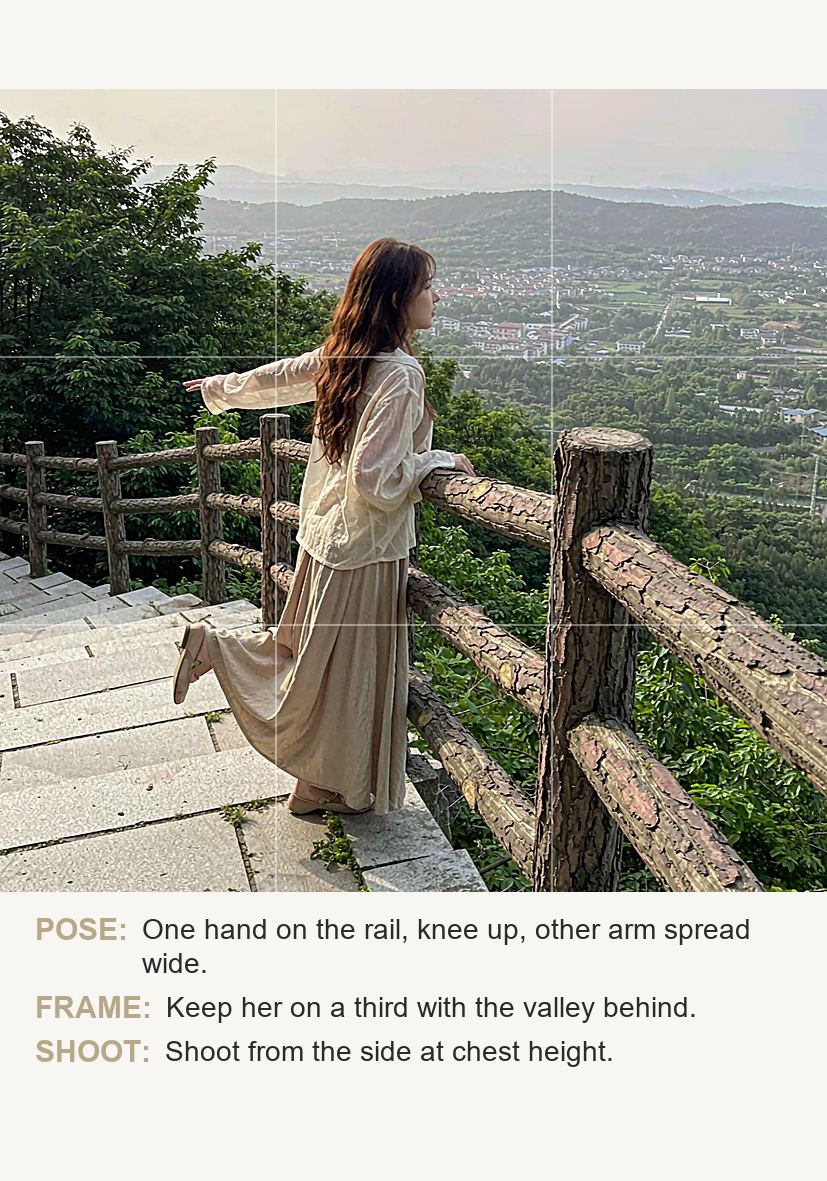
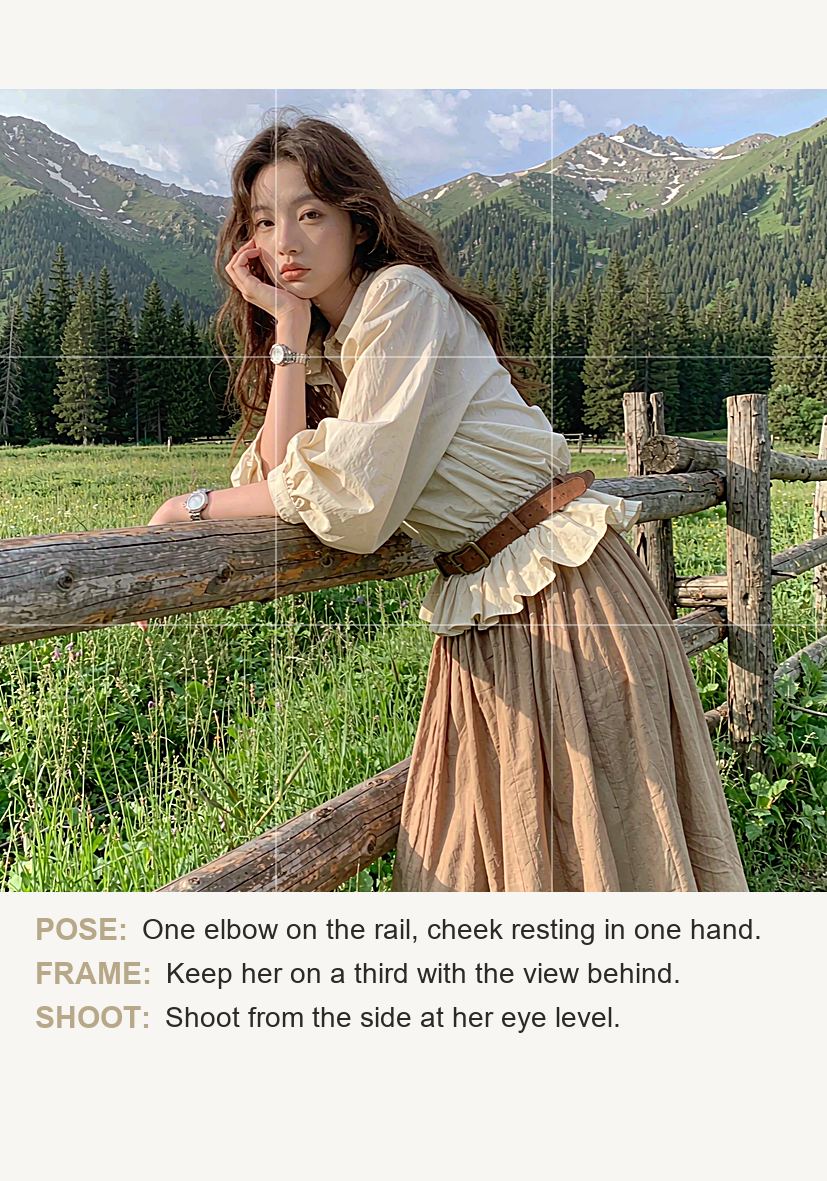
Put the deck next to travel journals, luggage tags, small notebooks, the flat things people pick up on the way to a holiday. Someone taking a travel journal off a shelf is already planning a trip and already thinking in pictures. They have not asked the question yet, and the answer is already in their hand.
The second-best neighbour is the gift table. There the buyer is usually not the person who will be photographed. It is a mother, a colleague, a friend buying something small for someone who posts a lot. They cannot judge a lens. They can judge a box.
What the neighbour has to be, physically
Height and angle matter more than most buyers expect. A deck lying flat in a stack at knee height does not get turned over. One box, face up, angled on a shallow tray at chest height, with a second box behind it, gets picked up and shaken. The box has to survive being handled by somebody with wet hands and no intention of buying.
One line of shelf text, three or four words: pose cards for phone photos. Not photography accessories. Not a paragraph explaining the three-line system. Nobody reads a paragraph standing up, and a customer who has to learn the category before they understand the object will put it back.
If you do put it near cameras
Put it at the till, not in the lens cabinet. The person at a camera shop till is buying a cloth, a strap, a card reader - small, useful, easy to carry home. That is the same purchase our deck belongs to. A cabinet, by contrast, asks the customer to find an assistant, and an assistant will explain the deck in a way that makes it sound like homework.
There is one more version I like: a shallow wooden tray on the counter, two boxes open, one card propped against the front edge. It looks like something a shop chose rather than something a supplier dropped off. Shops that merchandise by hand sell objects; shops that merchandise by planogram sell categories.
What I will not claim
I do not have sell-through figures by store type, and I am not going to invent a percentage. What I can tell you is what is in the box: 75 printed cards, a picture on one side, three short lines on the other, and a QR code on the last card that opens the rest of the pose library online. Those extra poses are online, not more printed cards.
Every shop gets the same deck. We do not print store names on the box and we do not build a single-store version. What changes between shops is only where it sits, and that part is your call, not ours.
Browse the pose library - real example cards, grouped by situation, free to read.
See the pose ideasPocket Photo Guide: 75 printed cards in the box. Scan the code on the last card to see the rest of the pose library online - those extra poses are online, not more printed cards.
We are looking for retailers and distributors worldwide. If this is something you would put on your own shelf, write to us at info@onsightverify.com.