The room was lit for the objects on the wall. You are borrowing it.
Gallery photos with a phone, and no flash
A gallery is lit for the things on the walls, not for the people walking past them. That is the whole difficulty, and it is also why the photographs can look good: the light is doing something deliberate. Two rules before anything else. No flash, and never set up a shot from the middle of a room.
1. Borrow the window
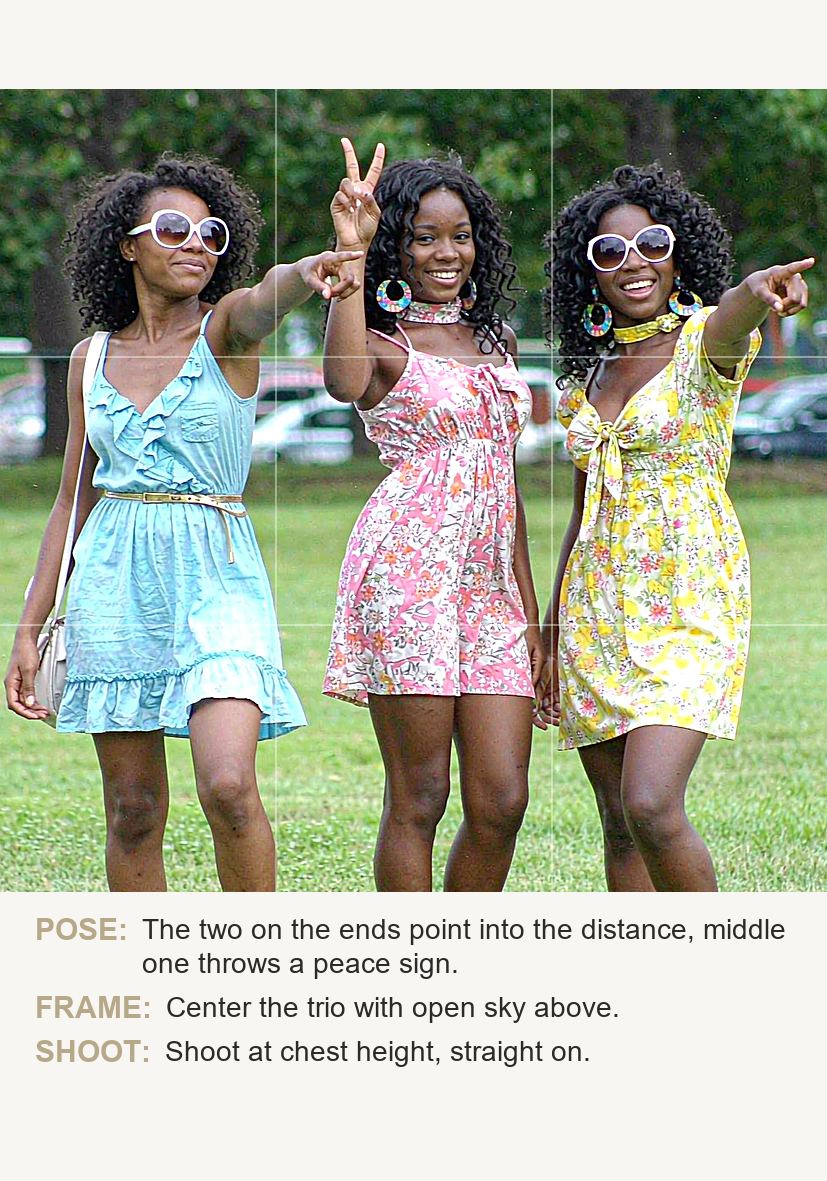
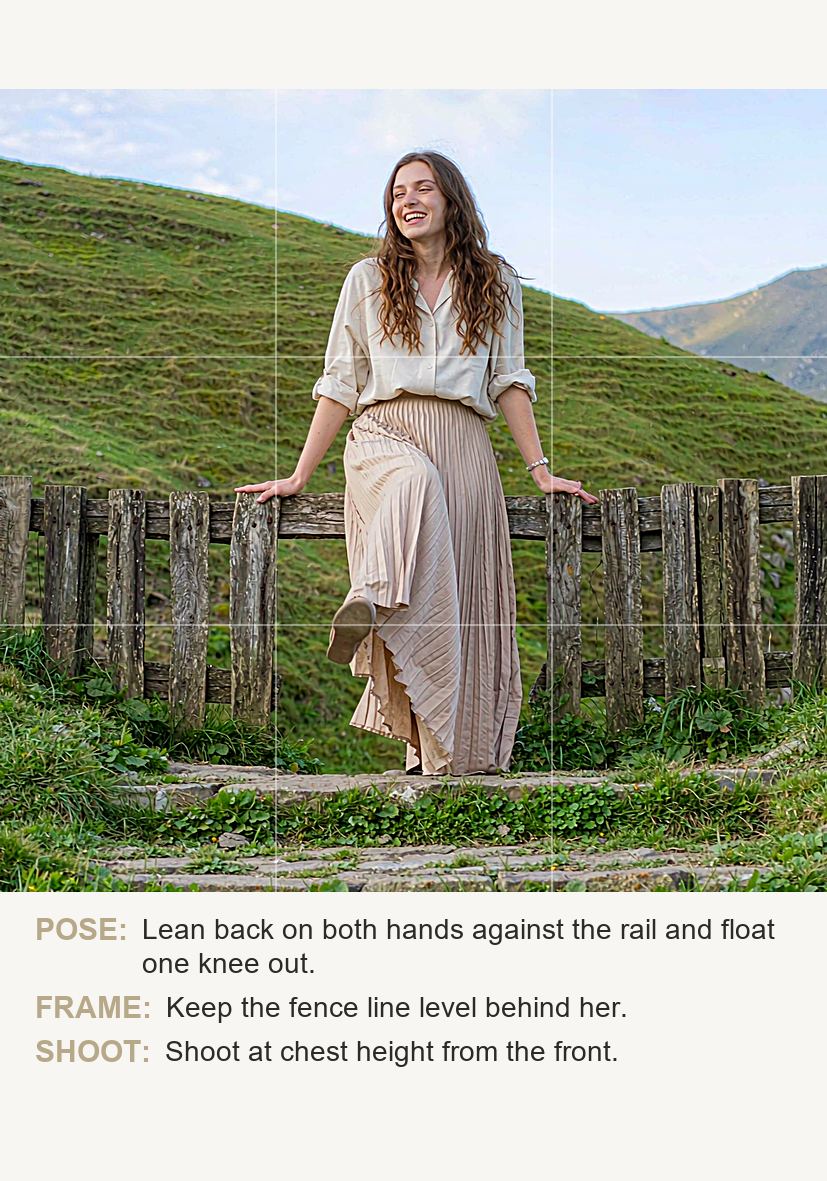
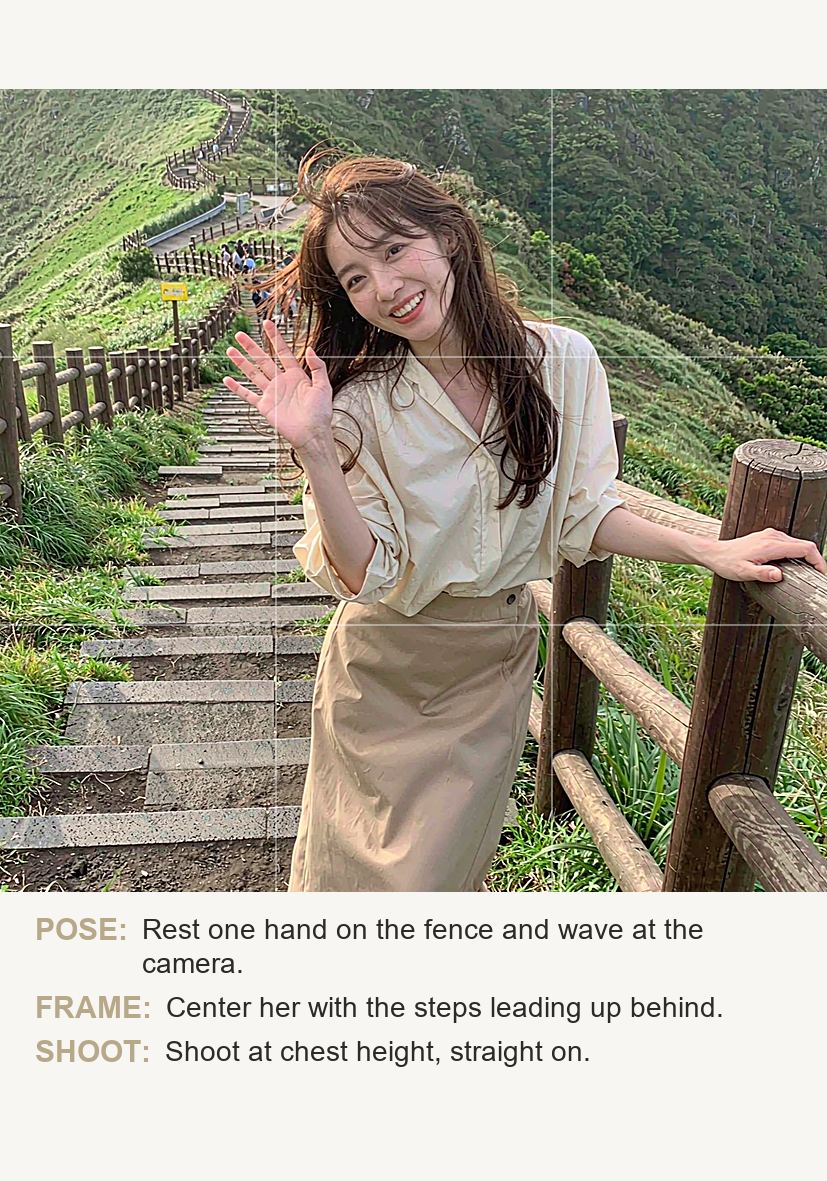
Most galleries have one side with daylight coming in, usually at the end of a corridor or behind a bench. Put the person side-on to that window, a metre or so away, and shoot from the darker side of the room. Camera at chest height. Press when they turn their head toward the light, not after they have settled into looking at a painting.
2. Stand against a wall
Standing in the middle of a room means strangers walk through every third frame and a guard watches you. Put the person against a wall or the end of a partition and shoot along it rather than into the room. The wall gives them something to lean on and gives the picture an edge to sit against.
3. The bench, from the end
Sit at the end of a bench, one ankle crossed over the other knee, chin up toward something on the wall. Phone low, roughly at seated chest height, shooting down the length of the bench with the legs going away from you. It reads as a person looking, which is a better photograph than a person posing in front of something famous.
4. Night mode is a one second exposure
In a dim room, night mode holds the shutter open for about a second and stacks the frames. That means the person has to be still for a second, which nobody has been told. Say it out loud: hold still, count to two. Brace the phone on a plinth or a railing if there is one. A sharp frame at one second beats a blurry one at a thirtieth.
5. Glass reflects everything
A case is a mirror. Stand at fifteen or twenty degrees to the glass rather than straight on, bring the phone close, and use your own body to block what is behind you. Better still, use the reflection on purpose: adjust until the person's face lands beside the object they are looking at rather than on top of it.
6. Where you will be moved on
Doorways, roped thresholds, and the middle of the floor. Those are the three places a guard has to say something. A wall, the end of a bench and a corner almost never are. And put the phone down between shots. Somebody holding a phone at chest height in a gallery looks like they are about to do the thing they were told not to do.
One more, and it is the useful one. No flash also means the colours come out closer to what you saw. Flash at a painting gives you a white rectangle with a painting somewhere inside it. The room already did the lighting work. Your job is only to stand in the right part of it.
Browse the pose library - real example cards, grouped by situation, free to read.
See the pose ideasPocket Photo Guide: 75 printed cards in the box. Scan the code on the last card to see the rest of the pose library online - those extra poses are online, not more printed cards.
We are looking for retailers and distributors worldwide. If this is something you would put on your own shelf, write to us at info@onsightverify.com.