Every contract marriage in this genre gets signed on the same surface: the hood of a car. Not a desk, not a lawyer's office. The hood of a black sedan, in a parking garage, at night, with the engine still warm.
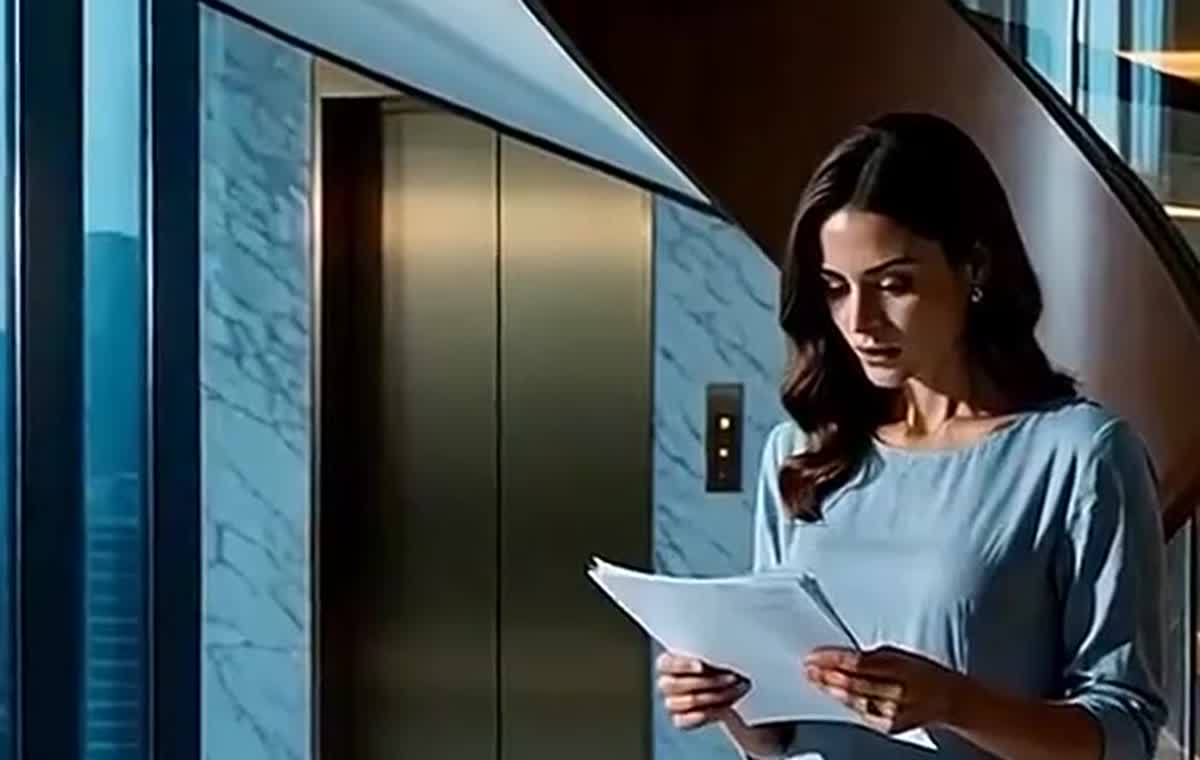
I have seen this shot in at least eleven series. The paper is one page. A4, occasionally US Letter, with four numbered clauses set in a font that is clearly the default of whatever word processor the production assistant had open that morning. Nobody reads it before signing.
Clause three is always the same
Clause three forbids emotional involvement. It is always clause three. I do not know why, but I checked, and in the eight series where the page was legible the no-love clause sat third. Sometimes it says no feelings, sometimes no attachment. Once it said both parties shall remain professional, which is funnier.
There is never a lawyer
Two copies get signed, one for each party, and neither is notarised, witnessed, or filed. In one series the male lead's assistant took both copies and put them in the same drawer. Twenty episodes later a character produced one of them as evidence in a boardroom, which is not how paper works.
The page count is a production decision
Two pages means two props and a scene where somebody reads. One page means a single insert shot, four seconds, and the audience understands the premise without a line of dialogue. It is the most efficient exposition in the format, and it costs one sheet of paper.
The pen is always the same too. Black, heavy, capped, handed over rather than offered. I have started watching the pen instead of the faces. In one episode it ran dry mid-signature and the actor kept going, dragging a dead nib across the page, and the take was used.
What interests me is how much plot hangs off a document nobody enforces. A secret child, a hostile takeover, a divorce that costs a third of a company — all of it traced back to a page that would not survive five minutes with an actual lawyer. But nobody in the audience is checking. We signed the same page when we pressed play.
One detail I keep coming back to: the contract is always signed twice inside the same take, with the camera drifting from one signature to the other. Two hands, one page, no cut. It means both actors have to sign at the same speed, and if you watch closely one of them is always slightly ahead, pen hovering, waiting for the other to catch up. A wedding with less paperwork than a parking permit, filmed in a single movement.
The series I keep using as my example is on this page. Search code 5626185 gets you in without hunting for it.
Disclosure: I promote this app through a referral link and may earn a commission if you download through it. It costs you nothing extra, and I would say the same things about these shows either way.