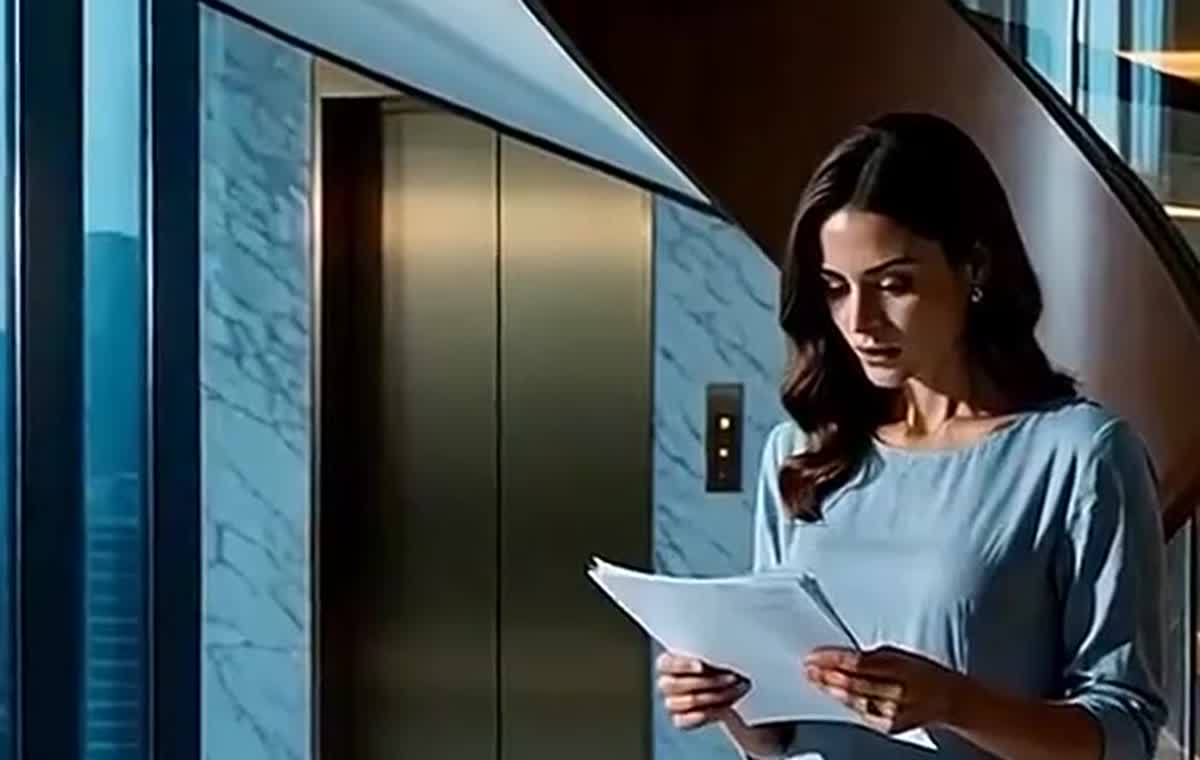
I started counting after the third series in a row did the same thing. Episode 18. Not 15, not 20. Eighteen. In one show it was a recording played in a boardroom. In another it was a second marriage certificate with a date nobody had mentioned. In the third it was a hospital wristband with the wrong name on it.
Eighty episodes at roughly ninety seconds each is about two hours of story, and episode 18 sits at the twenty-two percent mark. That is almost exactly where a two-hour film puts its first real reversal. The difference is that a film has to earn it with an hour of setup. These shows do it with twenty-seven minutes and a lot of shouting.
What the turn actually does
The turn is not usually a plot twist. It is a permission slip. Up to episode 18 the lead has been reacting: to a wedding she did not choose, a contract she did not read, a family that treats her like staff. After episode 18 she starts keeping something back. In one series the change is as small as her refusing to hand over her phone. That is the whole turn. It worked.
I rewatched the episode before and the episode after to see what changed in the writing, and the answer was almost nothing. Same sets, same two rooms, same background actors. The only difference was that she stopped explaining herself to people who did not deserve an explanation. Two minutes of screen time, and the entire show reorganised around it.
Why eighteen and not twelve
Twelve is too early. If the lead turns at episode 12, the audience has not yet been annoyed enough on her behalf, and the turn reads as sulking. Twenty-five is too late, because by then the free episodes are over and the people who were only half-interested have already left.
Eighteen also lines up with the paywall. Most of these apps give you the first ten to fifteen episodes free and then start charging coins per episode. The turn sits just far enough past that wall to reward the people who paid, and just close enough to the wall that the people who did not pay remember there was a reason to.
That is not cynicism, it is structure. A cliffhanger at the end of episode 17 does the same job a chapter break does in a paperback: it gives you a reason to turn the page rather than close the book. The fact that the next page costs coins is a business decision sitting on top of a storytelling decision that would work either way.
How to spot it coming
Watch who gets a close-up in episode 16 and 17. Not the lead. The person standing slightly behind her, usually silent, usually holding something. In the three series I counted, that person was the one who delivered the turn. The camera tells you before the script does.
The series I keep using as my example is on this page. Search code 5626185 gets you in without hunting for it.
Disclosure: I promote this app through a referral link and may earn a commission if you download through it. It costs you nothing extra, and I would say the same things about these shows either way.